The global foreign exchange market operates at an astonishing scale, with trillions of dollars traded daily across different time zones and regions. Success in this market depends not only on a trader’s skill or strategy but also on the tools and platforms used to execute trades. Choosing the best platform forex trading can be the defining factor between achieving consistent results and missing opportunities due to inefficiencies or delays. A reliable, intuitive, and analytically advanced platform enhances both execution quality and market analysis capabilities, empowering traders to make informed decisions and manage trades efficiently.
Importance of the Trading Platform in Forex Operations
A Forex trading platform serves as the bridge between the trader and the market. It provides access to currency pairs, live quotes, technical indicators, and execution tools that allow traders to open, modify, and close positions. The speed, accuracy, and usability of this platform directly influence trading performance. In a market where price movements can change within milliseconds, even minor delays can alter the outcome of a trade.
The right platform ensures seamless connectivity, minimal slippage, and rapid order execution. It allows traders to react quickly to market shifts while also providing analytical insights through charts, reports, and real-time data. In essence, it combines technical precision with analytical depth, allowing traders to integrate strategy with execution effectively.
Enhanced Execution Speed and Order Processing
Execution speed is one of the most vital aspects of Forex trading. A platform with advanced infrastructure and optimized data servers ensures that orders are processed instantly, reducing the risk of delays or requotes. When market volatility increases, prices can fluctuate rapidly, and the ability to execute trades at the desired price becomes a significant advantage.
Modern platforms utilize smart order routing systems to ensure that trades are executed through the best available liquidity providers. This reduces latency and improves the chances of achieving the intended entry or exit price. Efficient order management also includes features such as one-click trading, partial close options, and automated stop-loss and take-profit settings.
Traders benefit when they can enter and exit positions quickly without worrying about system lags or execution errors. The platform should also provide clear confirmation of executed trades, ensuring transparency in every transaction. Such efficiency not only improves profitability potential but also enhances confidence in trading decisions.
Analytical Tools for Data-Driven Decision Making
Beyond execution, the analytical capabilities of a trading platform play an equally vital role. Forex trading is driven by analysis—technical, fundamental, and sentiment-based. A platform equipped with comprehensive charting tools allows traders to visualize market trends, price movements, and historical data effectively.
The inclusion of customizable indicators, drawing tools, and real-time data feeds empowers traders to perform in-depth market studies. They can identify entry and exit points, recognize chart patterns, and measure momentum or volatility levels. Some platforms even integrate algorithmic analysis tools, enabling traders to backtest strategies using historical price data.
Moreover, advanced analytics facilitate comparative assessments of different currency pairs, helping traders diversify or adjust their exposure according to prevailing market conditions. Platforms that incorporate trend recognition algorithms or predictive analytics further enhance traders’ ability to anticipate market direction and act accordingly.
User Interface and Experience
A trading platform’s design and interface significantly influence a trader’s ability to operate efficiently. A well-designed platform provides a clean, intuitive interface where critical information—such as price charts, order windows, and account details—is easily accessible. Complex layouts or cluttered screens can lead to confusion and errors, especially in fast-paced market environments.
An ideal platform should allow users to customize layouts according to their trading style. For instance, day traders may prefer multiple chart views and fast order execution buttons, while swing traders may focus more on analytical tools and time-based charts. The ability to personalize the interface ensures a smoother workflow and enhances focus during trading sessions.
Ease of use is not only a convenience factor but also contributes to accuracy and productivity. A platform that minimizes unnecessary steps in trade execution allows traders to focus on analysis rather than operational details. The more intuitive the system, the less likely a trader is to make errors under pressure.
Automation and Algorithmic Capabilities
Automation has transformed the Forex trading landscape. Modern trading platforms often include tools that support automated trading through expert advisors or trading scripts. These systems execute trades automatically based on predefined criteria, eliminating emotional interference and ensuring consistent strategy implementation.
For traders who rely on algorithmic strategies, a platform must support customization, backtesting, and optimization features. Backtesting allows traders to evaluate their strategies using historical data before applying them in live markets. Optimization tools refine parameters to enhance performance under different market conditions.
Automated features also include alerts and notifications. These keep traders informed about significant market events, price levels, or trend reversals even when they are not actively monitoring the screen. This integration of automation with human oversight creates a balanced trading approach that enhances precision and responsiveness.
Mobile Accessibility and Multi-Device Synchronization
In the modern trading environment, mobility is a key requirement. Traders no longer need to remain tied to their desktops to monitor the market or manage positions. A strong Forex platform should provide mobile and web-based applications synchronized across devices.
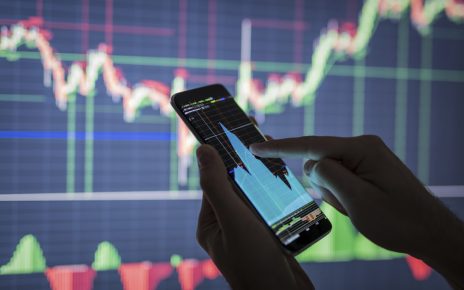
Mobile trading apps allow users to execute trades, analyze charts, and review account details on the go. Synchronization ensures that all devices display the latest updates, preventing inconsistencies between desktop and mobile views. This flexibility is invaluable for traders who need to respond quickly to market changes, regardless of location.
Additionally, mobile platforms are increasingly equipped with advanced analytical features similar to desktop versions, ensuring that traders do not sacrifice depth for convenience. Push notifications and live updates further improve situational awareness and enable timely action.
Risk Management Tools
An efficient trading platform should also include built-in risk management functions. Features like stop-loss, take-profit, and trailing stop orders help traders protect their capital and lock in profits automatically. By setting these parameters, traders can limit potential losses and manage open positions without constant monitoring.
In addition to these standard tools, some platforms offer portfolio analysis dashboards that track performance metrics and exposure levels. Such insights help traders assess whether their trading approach aligns with their risk tolerance and financial goals.
Risk management also extends to order types such as limit and market orders, which allow traders to control entry and exit levels effectively. The platform’s reliability in executing these orders accurately is essential for maintaining control over risk.
Integration of Fundamental and Sentiment Analysis
While technical analysis focuses on price patterns and indicators, fundamental and sentiment analysis adds depth to decision-making. An advanced trading platform should integrate news feeds, economic calendars, and sentiment indicators.
Real-time access to economic announcements—such as employment data, inflation reports, and interest rate decisions—enables traders to anticipate potential market reactions. Sentiment indicators, on the other hand, provide insight into how traders across the market are positioning themselves. This helps identify overbought or oversold conditions and potential reversal points.
Combining these analytical tools allows traders to form a comprehensive view of the market, enhancing accuracy and timing in their strategies.
Security and Data Protection
Security is a fundamental component of any trading platform. Since traders handle sensitive personal and financial data, robust encryption and secure data transmission protocols are critical. A platform must ensure that client information, transaction history, and account balances are safeguarded from unauthorized access.
Platforms with multi-layer authentication, encryption standards, and secure server environments provide peace of mind to users. Security also extends to system stability—ensuring the platform operates reliably without frequent outages or disruptions during active trading periods.
Customizability and Third-Party Integration
Flexibility in customization allows traders to adapt the platform to their specific trading needs. The ability to adjust chart types, timeframes, color schemes, and indicator parameters enhances usability. Some platforms also support integration with third-party tools such as data analysis software or advanced charting systems, broadening the scope of available functionality.
This integration improves workflow by combining multiple analytical sources within a single interface. Traders can link custom indicators, strategy testers, or even external data feeds to strengthen their decision-making process.
Continuous Learning and Support
Even the most experienced traders benefit from ongoing learning and technical support. A quality trading platform should include educational resources such as tutorials, market insights, and user guides. These resources assist both beginners and advanced traders in utilizing platform features effectively.
Efficient customer support, available through chat or email, ensures that any technical issues or operational questions are resolved quickly. Reliable assistance enhances user experience and helps maintain trading continuity.
Conclusion
Selecting the right Forex trading platform is not merely a technical choice—it is a strategic decision that directly impacts trading outcomes. A platform that combines speed, analytical depth, security, and ease of use allows traders to execute their strategies efficiently and confidently. From lightning-fast order execution to sophisticated analytical tools, automation, and mobile accessibility, every feature contributes to better decision-making and improved performance.
Ultimately, the right platform becomes more than just a trading interface—it becomes an essential partner in achieving consistency, discipline, and long-term success in the ever-evolving world of Forex trading.